Tuesday, May 12, 2015

Lung Cancer Symptoms, Treatment & Stages

Lung Cancer Symptoms, Treatment & Stages -  lung cancer is a disease that are malignant (cancer) cells in the tissues of the lung.

The lungs are a pair of respiratory organs with cone located in the chest. The lungs incorporate oxygen into the body when inhaled and eliminate carbon dioxide, a product of waste from the cells of the body, when you exhale. Each lung has sections called lobes. The left lung has two lobes. The right lung, which is slightly larger, has three lobes. Two tubes called bronchi communicate the trachea with the right and left lungs. Sometimes the bronchi are also affected by lung cancer. The inside of the lungs is composed of a few tiny air sacs called alveoli and small tubes called Bronchioles.

Lung Cancer Symptoms, Treatment & Stages


The pleura, a thin membrane, covers the outer surface of each lung, and  inside of the chest cavity. This creates a bag which is called pleural cavity. Typically, the pleural cavity contains a small amount of fluid that helps the movement of the lungs within the chest when breathing.

There are two main types of lung cancer: small cell lung cancer and non-small cell lung cancer.

The types of non-small cell lung cancer.

Each type of non-small cell lung cancer has different kinds of cancer cells. The cancer cells of each type grow and spread in different ways. The types of non-small cell lung cancer are called according to the kinds of cells that are found in the cancer and the appearance of cells under a microscope:

Squamous cell carcinoma: cancer that begins in squamous cells, which are thin, flat cells that resemble fish scales. Also called epidermoid carcinoma.
Large cell carcinoma: cancer that may result in various types of large cells.
Adenocarcinoma: cancer that begins in the cells that line the alveoli and produce substances such as mucus.

Other less common types of non-small cell lung cancer are Pleomorphic carcinoid tumor, carcinoma of the salivary gland and unclassified carcinoma.
Smoking increases the risk of non-small cell lung cancer.

Smoking cigarettes, pipes or cigars is the most common cause of lung cancer. The earlier a person begins to smoke, how much more often smoke and how many more years a person smokes the greater is the risk of lung cancer. If a person stops smoking, the risk decreases with age.

Anything that increases the likelihood of developing a disease is called a risk factor. Have a risk factor does not mean that it will have that disease; do not have risk factors does not mean that you will not have that disease. Consult your doctor if you think you are at risk.

The risk factors for lung cancer include the following:


Smoking cigarettes, pipes or cigars, at present or in the past.
Be passive exposure to tobacco smoke.
Having a family history of lung cancer.
Treatment of radiation therapy to the breast or chest.
Exposure to asbestos, chromium, nickel, arsenic, soot or tar in the workplace.
Exposure to radon in the home or workplace.
Live where the air is contaminated.
Be infected with the human immunodeficiency (HIV) virus.
Use supplements of beta carotene and being a heavy smoker.

When smoking is combined with other risk factors, increases the risk of lung cancer.
The signs of cell lung cancer not small include shortness of breath, persistent cough.

Sometimes, lung cancer does not cause any signs or symptoms. It can be found in a chest x-ray performed by another condition. Lung cancer or other conditions can cause signs or symptoms.

Check with your doctor if you experience any of the following:


Discomfort or pain in the chest.
A cough that doesn't go away or worsen over time.
Shortness of breath.
Respiratory wheezing.
Blood in the sputum (mucus that is expelled from the lungs).
Hoarseness.
Loss of appetite.
Loss of weight for unknown reason.
Very tired.
Difficulty swallowing.
Swelling of the face or neck veins.

To detect (find), diagnose, and stage non-small cell lung cancer, tests are used to examine the lungs.

In general, tests to detect, diagnose and stage non-small cell lung cancer are conducted at the same time.

Some of the following tests and procedures may be used:


Physical exam and history: examination of the body to check general signs of health, as the control of signs of disease, such as masses or anything else that doesn't look normal. Also the background of the patient's health habits, are recorded even if you smoke, earlier works, diseases and treatments.
Laboratory tests: medical procedures that analyzed samples of tissue, blood, urine or other substances from the body. These tests help to diagnose diseases, plan and monitor treatment, or monitoring the evolution of the disease.
Chest x-ray: lightning X of the organs and bones inside the chest. An x-ray is a type of beam of energy that can go through the body and translated into a film, which creates images of the inside of the body.

Scan CT (CT scan): procedure whereby a series of detailed pictures of the inside of the body, such as for example the thorax, is taken from different angles. The images are created by a computer connected to an x-ray machine. Inject a dye into a vein or swallowed to organs or tissues stand out more clearly. This procedure is also called computed tomography, computed tomography or CT scan.
Sputum cytology: procedure during which a pathologist noted a sample of sputum (mucus expelled while coughing) under a microscope to check for cancer cells.
Lung (AAF) fine-needle aspiration biopsy: removal of tissue or fluid from the lung, using a fine needle. To locate the tissue or abnormal fluid in the lung, is a CT scan, ultrasound, or another procedure with images. You should be a small cut in the skin where biopsy needle is inserted into the tissue or abnormal fluid. A sample is removed and sent to the laboratory. A pathologist noted the sample under a microscope to check for cancer cells. A chest x-ray is then performed to make sure there is no leakage of air from the lung into the chest.

Bronchoscopy: procedure used to observe the inside of the trachea and the large lung Airways and determine if there are any abnormal areas. It introduces a bronchoscope through the nose or mouth into the trachea and lungs. A bronchoscope is a thin instrument tube with a light and a lens for viewing. You can also have a tool to remove tissue samples and observe them under a microscope to check for signs of cancer.

Thoracoscopy: surgical procedure to see if there are abnormal areas in the internal organs of the chest. An incision (cut) between two ribs is made and is inserted a thoracoscope into the chest. A thoracoscope is a thin instrument tube with a light and a lens for viewing. You can also have a tool to remove tissue or lymph node sampling and observe them under a microscope to check for signs of cancer. In some cases, this procedure can be used to remove part of the esophagus or the lung. If you can be reached to certain tissues or organs, can be a Thoracotomy. In this procedure, becomes a larger cut between the ribs and chest is opened.
Thoracentesis: extraction of the liquid which is located in the space between the lining of the chest and the lung through a needle. A pathologist examines the fluid under a microscope to detect cancer cells.
Optical and electronic microscopy: laboratory test in which there are cells of a sample of tissue with common microscopes and high power to verify if there are certain changes in the cells.
Immunohistochemistry: testing that used antibodies to identify certain antigens in a tissue sample. Usually the antibody is attached to a radioactive substance or a dye that makes that illuminates tissue under a microscope. This type of study is used to determine the difference between different types of cancer...

Certain factors affect prognosis (chance of recovery) and treatment options.


The prognosis (chance of recovery) and treatment options depend on the following aspects:

The stage of the cancer (the size of the tumor and if it affects the lung only or has spread to other parts of the body).
The type of lung cancer.
If cancer mutations (changes) in certain genes, like the gene Lymphoma kinase (EGFR) or epidermal growth factor receptor gene anaplastic (ALK).
If there are signs or symptoms, such as coughing or difficulty breathing.
The general State of health of the patient.

Current treatments do not cure cancer in the majority of patients with non-small cell lung cancer.


If lung cancer is detected, the participation should be considered in one of the numerous clinical trials that are performed to improve the treatment. Clinical trials are performed in most of the country for patients in any of the stages of non-small cell lung cancer. For more information about ongoing clinical trials, see the NCI Web site

The History Of Cancer Treatment & Research

History Of Cancer Treatment & Research - The study of cancer is Oncology. Cancers have been known to mankind since ancient times. Cancer begins when cells in one part of the body begin to grow out of control. Several different parts of the body can be affected by cancer.

History Of Cancer Treatment & Research


The History Of Cancer Treatment & Research
Some of the earliest evidence of cancer are fossilized tumors of the bone in human mummies in  Egypt, and references the same have been found in ancient manuscripts. The bony destruction skull as seen in the load and the cancer has been found.

Although the word cancer was not used, the oldest description of the disease is of Egypt and dates back about 3000 B.C. The Edwin Smith Papyrus and a copy of the part of an ancient Egyptian textbook on trauma surgery. Describes 8 cases of tumors or ulcers of the breast that were treated by Cauterization with a tool called the fire drill. The description says that there is no treatment for the condition.

Origin of the word "Cancer"


The disease was first called cancer doctor Greek Hippocrates (460-370 BC). It is considered the "father of the remedy." Hippocrates used the carcinos and carcinoma of the terms to describe tumors of formation and ulcera-formacion of the dyspepsia. In Greek it means an angle of drift. The description was names after the angle of drift because finger - like projections extending from a cancer called to import dimension a variable of an angle of drift.

The Roman rear, Celsus (28-50 BC) physician translated the Greek term into cancer, the Latin word for angle of drift. Galen (130-200 ad), was another Roman physician, who used the term (Greek for swelling) oncos to describe tumours. Oncos is the root word for the Oncology or study of cancers.
Between the 15th and the 18th centuries

At the beginning of the 15th century scientists developed the greater understanding of the workings of the human body and disease processes.

Autopsies, made by Harvey (1628), led to an understanding of the circulation of the blood through the heart and the body.

John Morgagni of Padua in 1761 regularized autopsies to find the cause of disease. This rested the seat for the study of cancer also.

It was the Scotsman John Hunter of the surgeon (1728-1793) who suggested that some cancers may be cured by surgery. It was almost a century later that the development of anesthesia prompted regular surgery for "moving" cancer that had not spread to other organs.
The 19th century

Rudolf Virchow, often called the founder of Cellular Pathology, founded the basis for the pathological study of cancers under the microscope. Virchow correlated pathology microscopic disease.

He also developed the study of tissues that were taken after surgery. The pathologist could also inform the surgeon if the operation had completely removed the cancer.

History of the causes of cancer


There have been numerous theories of the causes of cancer in ages. For example, the ancient Egyptians blamed gods by cancers.

Hippocrates believed that the body had 4 body fluids: blood, phlegm, yellow bile, and black bile. He suggested that an imbalance of these humors with an excess of black bile in various sites of the body could cause cancer. This was the humoral theory.

After the humoral theory came the theory of lymph. Stahl and Hoffman theorized that cancer was composed of fermentation and lymph of degeneration, varying in density, acidity and alkalinity. John Hunter, Scottish surgeon from the 1700s, States agree that tumors grow constant releases of blood lymph.

Zacutus Lusitani (1575-1642) and Nicholas Tulp (1593-1674), doctors in the Netherlands, concluded that the cancer was contagious. In the 17th and the 18th centuries, some believed that cancer was contagious.

Was it 1838 the German pathologist John Muller showed that cancer is composed of cells rather than lymph. Muller proposed for cancer cells to become elements of flowering (blastema) between normal tissues.

Rudolph Virchow (1821-1902), suggested that all cells, including cancer cells, are derived from other cells. He proposed the chronic irritation theory. He believed that cancer to spread like a liquid. In the 1860s, the surgeon German, Karl Thiersch, showed that cancers metastasize with spread of malignant cells and not through a liquid.

History of research and detection of cancer


Research for early detection cancer aid. The first to be widely used for cancer screening test was the examination of smears. It was developed by George Papanicolaou as a method of research in the understanding of the menstrual cycle. He then noted that the test could help find cervical cancer early and presented its conclusion in 1923.

It was then that the American Cancer Society (ACS) ascended the test during the early 1960s and became widely used as a screening tool.

Modern methods of mammography were later developed in the 1960s and first recommended officially for breast cancer research by the ACS in 1976.
Revealed the cancer surgery

It was very early in the history of knowledge of cancers that the surgery was considered a modality of the treatment of cancers. The Roman Celsus doctor had noted that despite surgery cancer seems to become. Galen wrote about techniques of surgery for cancers. The surgery was then very primitive with many complications, including low blood. Surgery for cancers prospered in the 19th and early 20 centuries after the advancement of anesthesia.

Bilroth in Germany, Handley in London, and Halsted in Baltimore are the pioneers of the cancer surgery. Guillermo Stewart Halsted, Professor of surgery at Johns Hopkins University, developed the radical mastectomy during the last decade of the 19th century for breast cancers. His work was based on W. Sampson Handley.

Stephen Paget, English surgeon during this time found that cancers spread via blood circulation. This understanding of metastasis became a key element in the recognition of patients who could and could not benefit from cancer surgery.

X-ray radiotherapy


In 1896 a German Professor of physics, Wilhelm Conrad Roentgen, discovered and presented the properties of X rays. It was within the next few months that X rays were used for diagnosis and in the next 3 years it was used in the treatment of cancers. Radiotherapy began with radio and diagnostic machines with relatively low voltage.

Development of chemotherapy


It was seen that during World War II, soldados soldiers exposed to mustard gas during the Suppression of developed toxic marrow of military action. Soon a nitrogen mustard chemical similar was found to work against a cancer of the lymph nodes called lymphoma. This seat rested for several new drugs that could be used against cancers.

Development of hormone therapy


In the 19th century, Thomas Beatson discovered that the breasts of rabbits stopped producing milk after that he removed the ovaries. He tried the removal of the ovaries (called oophorectomy) in advanced breast cancer. This was discovered before the hormone itself was discovered. His work provided a seat for the modern use of the hormone therapy, such as tamoxifen and the aromatase inhibitors, to treat or prevent breast cancer.

Development of immunotherapy


With the understanding of the biology of cancer cells, several biological agents have been developed in the treatment of cancers. These are called biologic therapy of the modifier (BRM) reaction. Notable among these is the monoclonal antibodies.

The first antibody monoclonal, rituximab (Rituxan) and trastuzumab (Herceptin) therapeutic were approved during the late 1990s to treat lymphoma and breast cancer respectively. Scientists are also studying vaccines that strengthen the immune response of the body to the cancer cells.
The rear part of the 20th century also saw the development of therapies targeted as inhibitors of factor of increase as trastuzumab (Herceptin), gefitinib (Iressa), imatinib (Gleevec) and cetuximab (Erbitux). Another targeted approach is drugs anti of the formation of the glass of the ngiogenesis or the anti-blood as bevacizumab (Avastin).

Childhood Cancer Awareness, Symptoms & Facts

Childhood Cancer Awareness Symptoms & Facts - Each and every cells of our body are strictly controlled in what refers to the growth, the interaction with other cells, and even the life cycle. Cancer occurs when a cell type has lost these normal mechanisms of control and grows in a way that the body cannot control.

The different types of cancer have signs, symptoms, treatments and different forecasts, depending on the type of affected cells and the degree of uncontrolled cell growth.

About Childhood Cancer

Childhood Cancer Awareness, Symptoms & Facts

All types of cancer, including which occur in childhood, have a common pathological process: cancer cells grow in an uncontrolled manner, acquire abnormal sizes and morphologies, ignore its usual limits on the inside of the body, they destroy cells nearby, and at the end, they end up spreading to other organs and tissues (which is known as metastasis).

As the cancer cells grow, increasingly consume more nutrients from the body. Cancer consumes the energy of the child who suffers it, destroys organs or bones and weakens the defenses of the organism against other diseases.

In the U.S., the only cancer affects 14 of every 100,000 children each year. Considering all the age groups, the most common childhood cancers are leukemia, lymphoma and brain cancer. After ten years, there is a higher incidence of osteosarcoma (bone cancer).

Each type of cancer affects different parts of the body, and their treatments and cure rates are also different.

In general, the factors that trigger cancer in children not often coincide with that trigger cancer in adults, such as smoking and exposure to environmental toxins. Rarely, children suffering from certain diseases of genetic origin, such as down syndrome, have an increased risk of developing cancer. In addition, children who have undergone chemotherapy or radiation therapy as a result of a previous cancer also have an increased risk of developing another cancer in the future.

Anyway, in most cases, children's cancers not inherited are developed as a result of mutations (or changes) in the genes of some cells that are still in the process of growth. Since these errors occur randomly and unpredictably, there is no effective way to prevent them.

It is possible that a pediatrician detect some of the early symptoms of cancer in the periodic medical review of a patient. Anyway, some of these symptoms (such as fever, swollen lymph nodes, frequent infections, anemia or bruising) are also typical of infections to other conditions that are much more common than cancer. For this reason, it is logical that both pediatricians and parents suspect other diseases of childhood, when the first symptoms of cancer.

Once diagnosed the cancer, it is important that parents seek help for your child in a Medical Center specializing in Pediatric Oncology (treatment of childhood cancer).

Monday, May 11, 2015

Cervical Cancer / Cancer Cervix Symptoms & Treatments

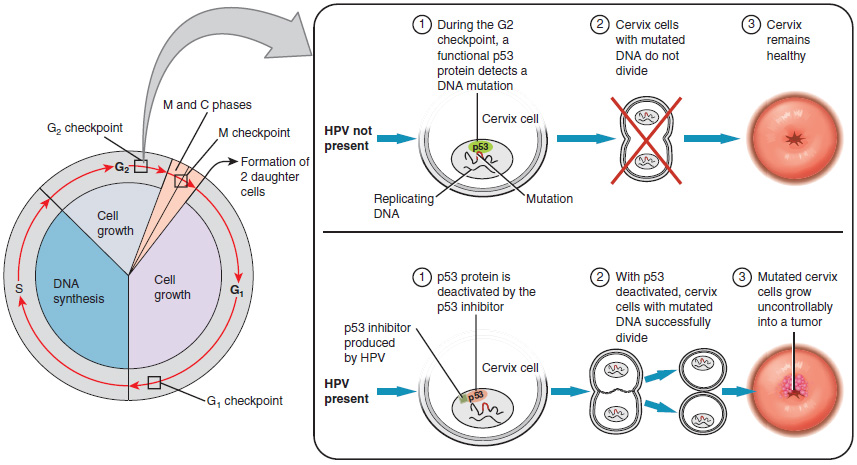
Cervical Cancer Symptoms & Treatments - The cervix or cervcal is the lower part of the uterus, is the place where the baby grows during pregnancy. Cervical cancer is caused by a virus called human papillomavirus (HPV). This virus is spread by s*xu*l contact. Most of the women body is able to fight HPV infection. But sometimes, the virus leads to cancer. Women who are at greatest risk are those who smoke, which many children have had, which have used birth control pills for a long time or have an HIV infection.

Cervical Cancer / Cancer Cervix Symptoms & Treatments


It is possible that in the beginning, the cervical cancer does not cause symptoms, but later there may be pain in the pelv*c or v*gin*l bleeding. It usually take several years for the normal cells of the cervix to become cancer cells. The doctor may find abnormal cells by Pap smear or Pap smear (Pap) to examine the cells of the cervix. Also, you can ask that an HPV test is conducted. If the results are abnormal, you will need a biopsy or other tests. Get tests regularly, it will allow your doctor find and treat any problem before it becomes cancer.

Treatment may include surgery, chemotherapy, radiation therapy, or a combination of these. The treatment will depend on the size of the tumor, whether the cancer has spread, or if you would like to become pregnant later.

Vaccines can protect against various types of HPV, including some that cause cancer.

Br*ast Cancer Treatments and Symptoms

Br*ast Cancer Treatments and Symptoms - With the exception of skin cancer, br**st cancer is diagnosed more frequently among  women around the world. Get a mammogram on a regular basis can reduce the risk of dying by br**st cancer. If you have between 50 and 74 years of age, be sure to make you a mammogram every two years. If you are between 40 and 49 years of age, consult your doctor upon when and how often you should have a mammogram.

What are the symptoms?

 
Br*ast Cancer Treatments and Symptoms


There are different symptoms of br**st cancer, and some people have no symptoms. Some symptoms of br**st cancer are any changes in the size or shape of the br**st, pain in any part of the br**st, ni**le discharge that is not milk (including blood) and the appearance of a lump in the br**st or under the arm. If you have any symptoms or worrying sign, consult your doctor immediately.

What can I do to reduce the risk?


Among the major factors that influence your risk of having br**st cancer are being female, having older (the majority of br**st cancers detected in women age 50 or older) and have changes in certain genes (BRCA1 and BRCA2) br**st cancer. Most women who have br**st cancer have unknown risk factors and no history of the disease in their families. There are things that you can do can to help reduce your risk of br**st cancer.

Brief data on br**st cancer


Annually in the United States, more than 200,000 women get br**st cancer and more than 40,000 women die of this disease.
Men can also get br**st cancer, but it is not very common. Annually in the United States, nearly 2,000 men get br**st cancer, and about 400 men die of this disease.
Most of the cases of br**st cancer are diagnosed in women 50 years of age and over, but br**st cancer also affects younger women. Around 11% of new cases of br**st cancer in the United States are in women under 45 years of age.
Studies indicate that women with disabilities are less likely to have been made a mammogram in the past two years, compared with women without disabilities.
Black women have the highest rate of deaths by cancer of br**st of all racial and ethnic groups, and are 40% more likely to die of the disease than white women.

Asbestos Lung Cancer - How Does Asbestos Cause Cancer

Asbestos Lung Cancer - How Does Asbestos Cause Cancer - The worst degree of diseases caused by the inhalation of asbestos are cancers, which can be of the lung, pleura and peritoneum.

Lung Cancer

Asbestos Lung Cancer - How Does Asbestos Cause Cancer


Lung cancer is a malignant tumor that invades and clogs up the steps of air by the lungs. Lung and abdominal cancers are diseases caused by the asbestos in the long term. The symptoms are not immediate, but it manifested many years after exposure began. The majority of people who have developed asbestos-related diseases were exposed to high concentrations of asbestos particles directly to the job site. Some others, the less developed the disease from exposure to clothes and equipment that the employees were wearing at home after finishing the work day. Smoking seriously increases the risk of developing lung cancer in workers exposed to asbestos, especially if you smoke more than a pack daily.

Lung cancer caused by asbestos. The clinical signs and symptoms caused by cancer for asbestos does not differ from other lung cancers caused by exposure to smoking cigarettes, arsenic, nickel, chromium, clorometilics ethers or ionizing radiation.

It should be added that exposure to asbestos can develop lung cancers, without having had before asbestosi.

The most common symptoms of lung cancers is coughing, asthmatic breathing, unexplained weight loss, coughs up blood, chest pains, persistent hoarseness, and anemia.

There are people who develop these symptoms although this fact does not have lung cancer. In these cases, you should consult your doctor.

Mesoteliomes

The mesoteliomes are rare cancers that affect the lining of the lungs (pleura) or the abdominal contents (peritoneum). The majority of mesoteliomes are caused by exposure to asbestos. However, the National Cancer Institute of the United States, ensures that a 30 per cent of mesoteliomes are by unknown causes. Smoking does not produce mesoteliomes. Generally, the mesoteliomes will develop between 30 and 40 years after the initial exposure, and that exposure is high. Very short exposure periods may be more than sufficient to cause mesothelioma. When you declare are usually very local invaders. The mesoteliomes is usually accompanied by pleural outpouring, Dyspnea and chest pain. The most common symptoms are cough, weight loss and fever.

Patients diagnosed with mesothelioma have less chance of survival than with other forms of diseases caused by asbestos. Until recently too, patients diagnosed with mesothelioma have a survival around 12 months. Now, in some cases, they have managed to survive more than two years and two and a half years.

It would not be until the year 1960 it published the first proven association between inhalation of asbestos and mesothelioma. Although more than 60 per cent of cases of mesothelioma are due to occupational exposure to asbestos, we know that the environmental and domestic exhibition is able to induce the appearance of mesoteliomes. On the other hand, we know that these environmental and domestic exhibitions are always low-dose, which means that there is a level of security for the exposure to asbestos.

Although all sorts of asbestos can cause mesoteliomes, some studies have suggested that the anfĂ­boles are much more conducive to the streamer. What's more, some researchers claim that the majority of mesoteliomes are due to exposure to the anfĂ­boles. The most common mesoteliomes are due to exposure to the crocidolita. The amosita also cause mesoteliomes, while crisotil is the variant that less mesoteliomes has caused. However, a 1996 study concluded that chrysotile asbestos is the main cause of pleural mesothelioma lawyers .

The mesoteliomes invariably become fatal. The majority of patients diagnosed with mesothelioma die between one and two years and accounted for after the diagnosis. The chemo and radiation therapies do not give good results. Neither surgery care these tumors. However, treatments are aimed at controlling pain and respiratory difficulties in order to preserve the highest quality of life possible.

Sunday, May 10, 2015

Brain Cancer Symptoms - Metastatic Brain Cancer

Brain Cancer Symptoms - A brain cancer is a growth of abnormal cells in the tissue of the brain. Brain Cancer can be benign (without cancer cells) or malignant (with cancer cells that grow very fast). Some are primary,  they begin in the brain. Others are metastatic, or which begin in other parts of the body and reach the brain. Cancer in the brain may show various symptoms. These are some of the most common:

Brain Cancer Symptoms

Brain Cancer Symptoms - Metastatic Brain Cancer
Headaches, usually in the morning
Nausea and vomiting
Changes in the ability to speak, listen or watch
Balance or walking problems
Problems with thinking or memory
Weakness or feel eager to sleep
Changes in mood or behavior
Seizures

Doctors diagnose these cancers through a neurological examination and other tests such as imaging, MRI, CT scan or a biopsy. The treatment includes watchful waiting (surveillance without giving any treatment until symptoms develop or change), surgery, radiation, chemotherapy and targeted therapy (treatment that used drugs or other substances to identify and attack specific cancer cells without harming normal cells). The majority of the people, receives a combination of them.