Thursday, May 14, 2015

Prostate Cancer Symptoms, Causes & Treatments

Prostate Cancer Symptoms, Causes & Treatments - Prostate cancer is a malignant tumor that sits in the prostate. It affects men over the age of 45-50 years, even though each time it detects in younger people. Except in rare cases, prostate cancer is evolving slowly and is not as lethal as other types of cancer. Cancer cells are usually settled in the peripheral part of the prostate, very different from the place where grows the benign prostate Hyperplasia (BPH), a benign disease of the prostate, most central and close to the urethra. In patients, usually elderly, who have not been diagnosed at an early stage of prostat cancer, can be diagnosed when already present metastasis.

Prostate Cancer Symptoms, Causes & Treatments

Prostate Cancer Causes


As in the case of BPH, we know the causes although prostat cancer is associated with age (over 45-50 years) and hormonal factors not yet ben determined

How To Diagnose Prostat Cancer


The current key for diagnosis are the rectal and the PSA (specific antigen), a value that can be obtained in a simple blood test. When the PSA is elevated above 10 ng/ml increases dramatically the possibility of CP. prostate biopsy allows to obtain small pieces of prostate for microscopic observation and is objectively to diagnose. The biopsy allows more, to see the degree of aggressiveness of the tumor cells (scale of Gleason). Other tests such as ultrasound, the TAC, the MRI and the MRI are only necessary in special cases.

What Is The Prognosis


Like all cancers, the prognosis depends on the precocity in the diagnosis. The later, larger, more likely to spread beyond the prostate and worse prognosis. The prostat cancer of small size, with PSA and Gleason bass tend to have high rates of healing and survival. The prostat cancer of thick size (playable in rectal), PSA and Gleason senior are worse prognosis. The prostat cancer with metastasis are the worst prognosis, while survival can be quite long. The prognosis in elderly patients is subject to their concomitant diseases and his general State of health, and may be wise in many cases no treatment since the prostat cancer in advanced ages can move very slowly and does not mean a danger for the patient.

The Treatment For Prostat Cancer

If the cancer is confined to the prostate treatment is surgical with a procedure called radical prostatectomy (RP), which can be done via open, laparoscopy or robotic surgery. Robotics is the one that gets the best functional results for the patient (conservation of sexual power and control of urine). Radiotherapy is a treatment comparable in effectiveness to surgery, although with different tracking techniques and connotations to that. Cryotherapy and radiotherapy-interstitial are appropriate for selected cases of illness very localized. When the disease has spread outside of the prostate can be he evades their question with PR or radiotherapy decreases dramatically so, as a rule, are not given these treatments and it is necessary to resort to other alternatives such as the hormonal treatment. When the disease progresses after radical treatment or the disease is already advanced at the time of diagnosis (ganglia or metastasis) hormonal treatment applies, complete form (castration). In special cases are given special schemes of hormonotherapy and/or chemotherapy.

How To Prevent Prostat Cancer


There is no clear evidence that prostat cancer can be prevented though there are some essays that are pointing towards the use of drugs such as 5alfa-reductase inhibitors. A healthy diet, including components such as selenium and vitamin E may help prevent prostate disease, although not conclusive data exists on this topic. A good approach to prevention is early diagnosis, i.e. find the disease when it is still very small and curable. This is achieved in accordance with annual controls with the urologist from the age of 40 years (only men) with rectal and determination of PSA (blood test). The PSA is a very sensitive marker for the presence of prostat cancer even in very early stages.

Different Types Of Cancer

Different Types Of Cancer - Under the name of cancer we can differentiate more than a hundred diseases with different etiology, prognosis and treatment, but with the common feature of their growth is not controlled by human biological mechanisms. The main categories and types of cancer are as follows:

Different Types Of Cancer

Different Types Of Cancer

Carcinoma: cancer begins in the skin or in tissues that surround the internal organs.
Sarcoma: cancer starts in the bones, the cartilage, fat, muscle, blood vessels, or other connective tissues or support.
Leukemia: this type of cancer starts in the trainer of blood cells, such as the bone marrow, where they generate abnormal cells that enter the blood.
Lymphoma and myeloma: this type of cancer begins in the cells of the immune system (defenses).
Central nervous system: the cancer begins in the tissues of the brain and the spinal cord.

Skin Cancer Treatment Options

Skin Cancer Treatment Options -  The early detection of skin cancer allows frequently treat in its initial stages, when still does not present the power of penetration beyond the skin. In these cases, your diagnosis is facilitated through the use of the digital epiluminiscència and it is possible to treat them with a non-surgical approach (without surgery). The cellular basocel carcinomas and scaly surface can be removed completely by means of a non-surgical procedure called Photodynamic therapy.

Skin Cancer Treatment Options


This consists of the application of a specific cream on the injury to try and penetrate only to malignant cells. These malignant cells treated, whether they are illuminated with the light of the lamp of photodynamic therapy, can be eliminated completely respecting healthy cells of the skin. Photodynamic therapy is a new generation tool that allows you to destroy malignant cells of a superficial tumor without the surrounding skin suffers and without the need for the patient to undergo a surgical procedure that can be stressful and that generates a scar in the treated area.

Photodynamic therapy is a technique that is done on an outpatient basis (without payment) at the dermatological clinic facilities: the procedure involves the application of a topical drug that is left on for 3 hours, and the subsequent illumination of the lesion with a medical lamp for a few minutes. Usually two sessions are needed to heal the skin tumor treated.

In DermAndTek we have with the Aktilite device (Galderma), a pioneer in the world of photodynamic therapy and with solid studies that support your therapeutic success and high safety profile.

Wednesday, May 13, 2015

Prostate Cancer Symptoms / Signs & Treatment

Prostate Cancer Symptoms Treatment Signs - The prostate is a gland that is located below the bladder in men and produces the fluid for semen. Prostate cancer is common in elderly men. This type of cancer is rare in men under 40 years old. Risk factors of developing it include: being over 65 years old, family history and being African American.


Prostate Cancer Symptoms / Signs & Treatment

Prostate cancer symptoms can include


Urination problems, like pain, difficulty starting or stopping the flow of urine or drip
Pain in the lower back
Ejaculation pain

To diagnose prostate cancer, your doctor could do a rectal examination to look for any bulk or anything out of the ordinary. The doctor may also ask you do a blood test for prostate-specific antigen (PSA). These analyses are also performed in prostate cancer screening tests, which attempt to detect cancer before you have symptoms. If the results are abnormal, you may need other tests such as ultrasound, magnetic resonance imaging or biopsy.

Prostate Cancer Treatment 


Treatment of prostate cancer tends to depend on the stage of the cancer. This is determined by knowing how fast the cancer is growing and how different is the tissue around the gland. Men with prostate cancer have several treatment options. The best for one person may not be the best for another. These options may include only a careful observation and medical surveillance without treatment, surgery, radiation therapy, hormone therapy and chemotherapy. It can also be a combination of these.

How To Cure Cancer Naturally - Natural Cures For Cancer

How To Cure Cancer Naturally - Natural Cures For Cancer - The tumor continues to grow and it can explode at times. Early detection is not easy because the patient does not feel the inconvenience at first and ultimately, when it detects so advanced that it becomes incurable and it is difficult to save the patient. It is a deadly disease that when the patient comes to know who developed the cancer is afraid of death. If detected at an early stage, it is possible to save the patient.

These symptoms can lead to the early detection of cancer


Ulcers that do not heal quickly, especially in the mouth. Any break in the skin that does not heal even in six months, but still continues to grow. Excessive abnormal bleeding, especially in the case of women after the period. Bleeding when passing stool. The overgrowth of tumors and bumps on any part of the body, especially in women. Difficulty swallowing food and continuous indigestion. Continuous cough, throat hoarse voice continuously.

Malfunction of the intestines, constipation and loose motions. Pain or skin discoloration, wart or keloid. The unexpected loss aversion weight and strength and food. If you have any of the symptoms listed above and you have any questions about cancer, consult your doctor.

Natural remedies for the treatment of cancer

How To Cure Cancer Naturally - Natural Cures For Cancer


Take the following foods on a regular basis and keeping a healthy lifestyle.

Natural home remedy for cancer through the cauliflower: take 3/4 cup cauliflower juice a day in the morning on an empty stomach. Will be beneficial for cancer.

Herbal cancer home remedy with: bring at least 1/2 cup of cabbage juice every day first thing in the morning on an empty stomach. Cancer is curable in its early stages.

Home remedies for cancer


Effective home remedy for cancer through carrot: carrot juice is a good anti-toxico. Even you can cure most diseases incurable. Take two glasses of carrot juice, one before breakfast in the morning and another at night. 12 ounces of carrot juice mixed with 4 oz of spinach juice is especially beneficial in cancer.

Cancer diet tips


Food: is demonstrated by ongoing investigations in beta-carotene chemical present in foods can destroy the cancer cells. Found in abundance in all legumes, cabbage, cauliflower, carrot, lemon and fruit of the species mausambi. You should eat these fruits and vegetables in abundance to patients with cancer. Fried foods cause cancer. Fried foods contains carcinogenic substances that cause cancer. Therefore, the fried foods should not be consumed.

Simple home remedy for cancer with grapes


Cancer patient should fast for three days. Grapes then must have food. Should also be enema times. It should not take more than 2 kg. grapes in one day. After a few days give drinking butter milk. Don't take anything to eat. Is a slow process and it takes a few months to take up the slack. The poultice of grapes can be applied on wounds. Grape juice sometimes causes stomach pain or itch in the year. But there is no reason to fear. The pain disappears after a few days. Promotion will be beneficial at the time of pain.

Traditional wheat natural home remedy


The cancer is only a condition of the body indicates that there is something wrong with this wonderful machine. Nature always tries to maintain a balance in the human body. Since people have different styles of life, suffer from different diseases. There was a woman who was suffering from br**st cancer. I had tried all kinds of treatment, but in vain. But when it came to the diet of different kinds of fruit juices, will heal in a few months. Wheat grass is an effective anti-toxin. Its can cure cancer and many other diseases. Its juice is known as green blood. It said that up to 40% of their properties are similar to human blood.

Bone Cancer Symptoms / Sign , Prognosis & Treatments


Bone Cancer Symptoms / Sign , Prognosis & Treatments - Bone cancer is a relatively rare disease, where in the bone to grow cancer cells. Cancer occurs when the cells of the body (in this case, the cells of the bone) share without control and order. If the cells continue to divide uncontrollably, When new cells are not needed, an accumulation, called a tumor. The term "cancer" refers to a malignant tumor, cells that can invade nearby tissues and spread to other parts of the body. A benign tumor does not spread to other organs.


Bone Cancer Symptoms / Sign , Prognosis & Treatments


Bone Cancer Symptoms / Sign , Prognosis & Treatments

Cancer can occur in bone or spread to the bone with another body when the same cancer appears in the OS, it is called primary bone cancer. When cancer cells travel in the bone tissue of other tumours, it is called secondary or metastatic bone cancer. Types of bone cancer include:

Osteosarcoma — malignant tumor of bone, as a general rule, hands, legs or pelvis; the most common type of primary cancer;
Chondrosarcoma — cancer of the cartilage; the second most common type of primary cancer;
Yuinga Sarcoma — tumor that usually develop in the bones of the arms and legs;
Malignant fibrous histiocytoma, Fibrosarcoma — cancer, which develops in soft tissue (tendon, ligament, muscle, FAT) and goes to the bones of the leg, hands and jaw;
Giant cell tumor of bone tumor — primary, Which is the malignant (cancer) only about 10% of the time, more prevalent in the bones of the hands or feet;
Differentiate — primary tumor of bone, which normally occurs in the skull or spine.

The sooner treatment begins bone cancer, the more favorable outcome. If you suspect that you have the disease, call your doctor.

Causes of bone cancer


The main causes of bone cancer are unknown. It is considered, In most cases an important role rider. Disease, which cause enhanced dissolution of bone tissue and its regeneration over a long period of time increases the risk of tumors. This explains, why osteosarcoma in children are more frequently in the period of their growth.
Risk factors for bone cancer

Factors that increase the risk of bone cancer


Paget's disease (benign bone diseases);
Irradiation;
Damage to the bone (While not confirmed by risk factor);
A family history of bone cancer.

Besides, there are risk factors, specific to certain types of bone cancer


Osteosarcoma:
Age: 10-30 years;
Paul: male;
Hereditary cancer syndromes, including if syndromes-Fraument (LFS) and Rotmunda-Thomson;
Retinoblastoma (a rare form of eye cancer);
Bone marrow transplantation;
Chondrosarcoma:
Age: over 20 years;
Multiple Exostoses (hereditary disease, which leads to the appearance of lumps in the bones);
Sarcoma Yuinga:
Age: younger 30 years;
Malignant fibrous histiocytoma, Fibrosarcoma:
Age: Middle and old age;
Tumor giant cells:
Age: young and middle-aged.

Symptoms of bone cancer


Bone cancer symptoms may vary, depending on the location and size of the tumor.

The symptoms may include:


Pain at the site of the tumor;
Edema or swelling in the area of the location of the tumor;
Pain in the bones, rather serious, to wake you up;
Fractures of bones (rare);
Unexplained weight loss;
Fatigue;
Shortness of breath;
Night sweats, fever or night.

These symptoms can be caused by other, less serious diseases. If you experience any of these symptoms, consult a doctor.

Diagnosis of bone cancer


The doctor will ask about your medical history and symptoms, as well as performing the physical examination.

The tests may include the following:

Blood test, check the level of the enzyme alkaline phosphatase; the largest quantity of this enzyme is secreted in patients with tumors of bone during growth in healthy children;
X-rays — test, who uses x-ray radiation, to take a picture of structures within the body, particularly the bones;
Densitometry — test, which helps to determine the location of bone tumors. The radioactive substance is injected into the bloodstream, which is absorbed by the bone tissue, and then tracking using a special scanner;
CT — types of x-rays, using a computer, to make pictures of structures inside the body;
MRI — survey, which uses magnetic waves to make pictures of structures inside the body;
Bone marrow biopsy — remove the sample, bone tissue to test the presence of cancer cells. Excisional biopsy of tumors of the bone may mean deleting large portions of the affected bone or limb, and sometimes a partial or total amputation of a limb, depending on the location and type of tumors.

As soon as the cancer, analysis, to determine the scope of networks. The treatment depends on the type of stage, location of cancer and general health.

Bone cancer treatment include

Radiation treatment for cancer of the bones


Bone cancer radiotherapy uses radiation to kill cancer cells and shrink tumors. Radiotherapy can be of the following types:

External radiotherapy — radiation to tumor radiation sources outside the body;
Internal radiotherapy — radioactive materials are placed in the body near cancer cells.

Chemotherapy for bone cancer

Chemotherapy — the use of drugs to kill cancer cells. Chemotherapy drugs can be provided in various forms: tablets, injection, Introduction through a catheter. The drugs enter the bloodstream and are carried out by the entire body, killing the cancer, as well as some healthy cells. The most common chemotherapy drugs, used to treat bone cancer are :

  1. Methotrexate with calcium;
  2. Leucovorin;
  3. Doxorubicin;
  4. Cisplatin;
  5. Ifosfamide
  6. Etoposide.

Surgery for the treatment of bone cancer


The operation involves the removal of a cancer, the surrounding tissues, and possibly nearby lymph nodes. When the operation might require the amputation of limbs, patients with cancer. Possible, the doctor will try to remove part of the bone without amputation cancerous. In this case, the Remote OS cancerous replace metal plates or bone graft.

Sometimes, additional radiotherapy or chemotherapy can help avoid amputation. If the tumor is large or aggressive, or the risk of spread is high, after surgery can be assigned to the chemotherapy and radiation therapy, to prevent the recurrence of bone cancer in the surgical site, and prevent the spread of the cancer to other organs.

Mieloablatius therapy with stem cells


Intensive chemotherapy also destroys the bone bone cancer. To restore the bone marrow cells used injections of stem cells, which have the ability to develop into other kinds of cells.
Special treatment of certain types of bone cancer

Osteosarcoma — chemotherapy, is used before and after the operations are often able to cure the osteosarcoma and prevents the amputation;
Kaposi Sarcoma — Yuinga de Ewing is very sensitive to chemotherapy, treatment often involves several weeks of chemotherapy, followed by radiation therapy or surgical removal of the tumour, and then a few more months of chemotherapy;
Malignant fibrous histiocytoma, Fibrosarcoma — these diseases, as a general rule, require surgery to remove the cancerous tumor and 2-3 see the healthy tissue, those around him.

Prevention of bone cancer

There are no guidelines for the prevention of primary bone cancer. Early diagnosis and treatment increase the chances of successful recovery.
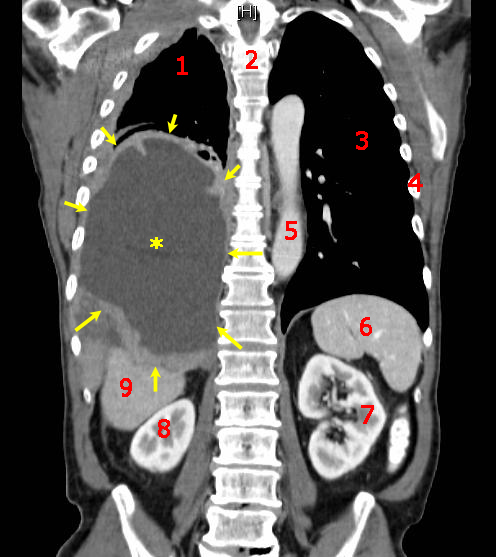
What Is Mesothelioma Cancer ? The Symptoms & Survival Rate

What Is Mesothelioma Cancer ? The Symptoms & Survival Rate Malignant mesothelioma is a disease in which malignant (cancer) cells in the pleura (the thin layer of tissue that lines the chest cavity and covers the lungs) are found or the peritoneum (the thin layer of tissue that lines the abdomen and covers most of the organs in the abdomen).

Exposure to asbestos can affect risk of malignant mesothelioma.


What Is Mesothelioma Cancer ? The Symptoms & Survival Rate


Anything that increases the risk of contracting a disease is called a risk factor. Have a risk factor does not mean that you will have cancer, not having risk factors doesn't mean that you won't get cancer. Talk to your doctor if you think you may be at risk.

Most people with malignant mesothelioma have worked or lived in places where they inhaled or swallowed asbestos. After exposure to asbestos, you usually spend much time until a malignant mesothelioma is formed. Living together with a person who works near asbestos also is a risk factor for malignant mesothelioma.
The signs and symptoms of malignant mesothelioma include difficulty breathing and pain under the rib cage.

Sometimes the cancer makes accumulating fluid in the chest or abdomen. The signs and symptoms can be produced from liquid, a malignant mesothelioma or other conditions. Check with your doctor if you experience any of the following symptoms:

Shortness of breath.
Cough.
Pain under the rib cage.
Abdominal pain or swelling of the same.
Nodules in the abdomen.
Constipation.
Problems with blood clots (blood clots that form when they must not do it).
Loss of weight without known reason.
Feeling very tired.

To detect (find) and diagnose malignant mesothelioma, tests are used to examine the inside of the chest and abdomen.

In some cases, it is difficult to differentiate malignant mesothelioma in the chest and lung cancer.

The following tests and procedures may be used to diagnose a malignant mesothelioma in the chest or the peritoneum:

Physical exam and history: examination of the body to check general signs of health, including the control of signs of disease, such as masses or anything that seems abnormal. Also take the history of the health habits of the patient, exposure to asbestos, and diseases and previous treatments.
Chest x-ray: x-ray of the organs and bones inside the chest. Lightning X is a type of beam of energy that can pass through the body and shape in a film which shows a picture of the inside of the body. Expand
Chest x-ray; the drawing shows the patient standing with your back to the X-ray machine. X-rays are used to take pictures of the organs and bones of the chest. The x-rays pass through the patient and are reflected in a film.
The chest x-ray. X-rays are used to take pictures of the organs and bones of the chest. The x-rays pass through the body and are reflected in a film.
Scan CT (CT scan): procedure whereby a series of detailed pictures of the chest and abdomen is taken from different angles. The images are created by a computer connected to an x-ray machine. Inject a dye into a vein or swallowed to organs or tissues stand out more clearly. This procedure is also called computed tomography, computed tomography or CT scan.
Biopsy: removal of cells or tissues of the pleura or the peritoneum performed by a pathologist to observe them under the microscope and determine if there are signs of cancer.

The procedures used to collect cells or tissues are as follows:
Lung (AAF) fine-needle aspiration biopsy: removal of tissue or fluid using a thin needle. A procedure of images is used to locate abnormal lung tissue or fluid. You can make a small incision in the skin where the needle biopsy to abnormal tissue or fluid, is introduced and a sample is taken. Expand

Thoracoscopy: procedure for which an incision (cut) is made between two ribs and a thoracoscope (a thin instrument tube with a light and a lens for viewing) is inserted into the chest.
Thoracotomy: incision (cut) which is made between two ribs to examine the inside of the chest to determine if there are signs of disease.
Peritoneoscopia: procedure for which an incision (cut) is made in the abdominal wall and a peritoneoscopio (a thin instrument tube, with a light and a lens for viewing) is inserted in the abdomen.
Laparotomy: procedure for which an incision (cut) in the wall of the abdomen is done to check the presence of signs of disease on the inside of the abdomen.
Open biopsy: procedure for which a skin incision (cut) is made to expose and remove tissues in order to examine them and determine if there are signs of disease.

The following tests may be performed on samples of cells and tissues taken:
Cytological examination: examination of cells under a microscope to determine if anything is abnormal. In the case of mesothelioma, removed fluid from the chest or abdomen. A pathologist reviews these liquids for signs of cancer.
Immunohistochemistry: test to which antibodies are used in search of certain antigens in a tissue sample. Antibody is usually linked to a radioactive substance or a dye that makes that tissue illuminates under a microscope. This type of test can be used to tell the difference between different types of cancer.
Electron microscopy: laboratory test in which there are cells of a sample of tissue under the microscope of high power in order to see changes in the cells. An electron microscope shows better than other types of microscopes tiny details.

Certain factors affect prognosis (chance of recovery) and treatment options.

The prognosis (chance of recovery) and treatment options depend on the following:

The stage of the cancer.
The size of the tumor.
If the tumor can be removed completely by surgery.
The amount of fluid in the chest or abdomen.
The age of the patient.
The degree of activity of the patient.
The general State of health of the patient, including the health of the lungs and the heart.
The cell type of mesothelioma and its appearance under a microscope.
The number of white blood cells and the amount of hemoglobin in the blood.
If the patient is male or female.
If the cancer has just been diagnosed or has recurred (come back).